$495
For a standard balcony leak detection inspection
- Thermal imaging of the ceiling below the balcony
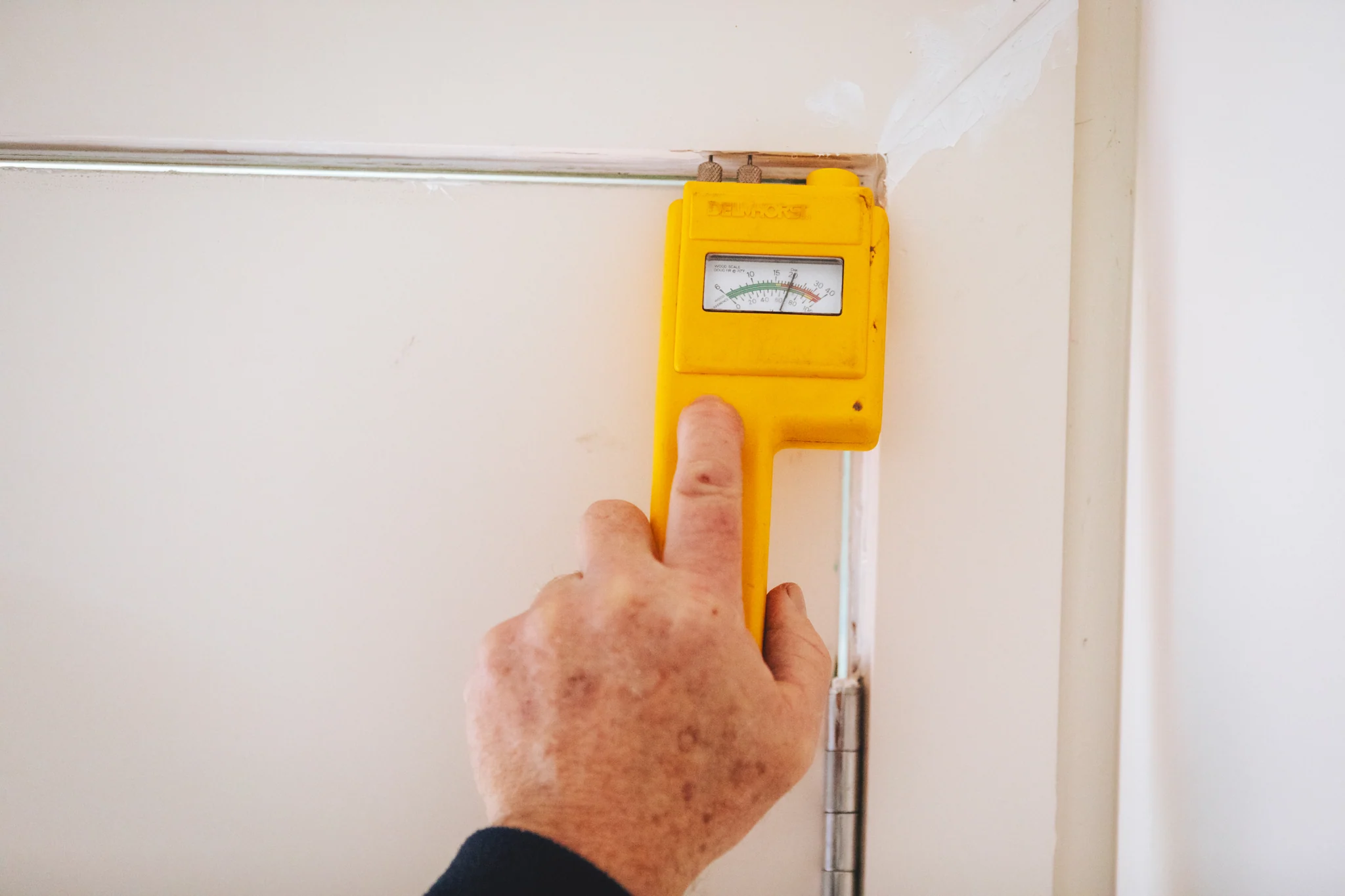
- Moisture mapping of the balcony surface and substrate
- Drainage and edge assessment
- Written report for owner, strata manager, or builder
Water & Pipe
Pool & External
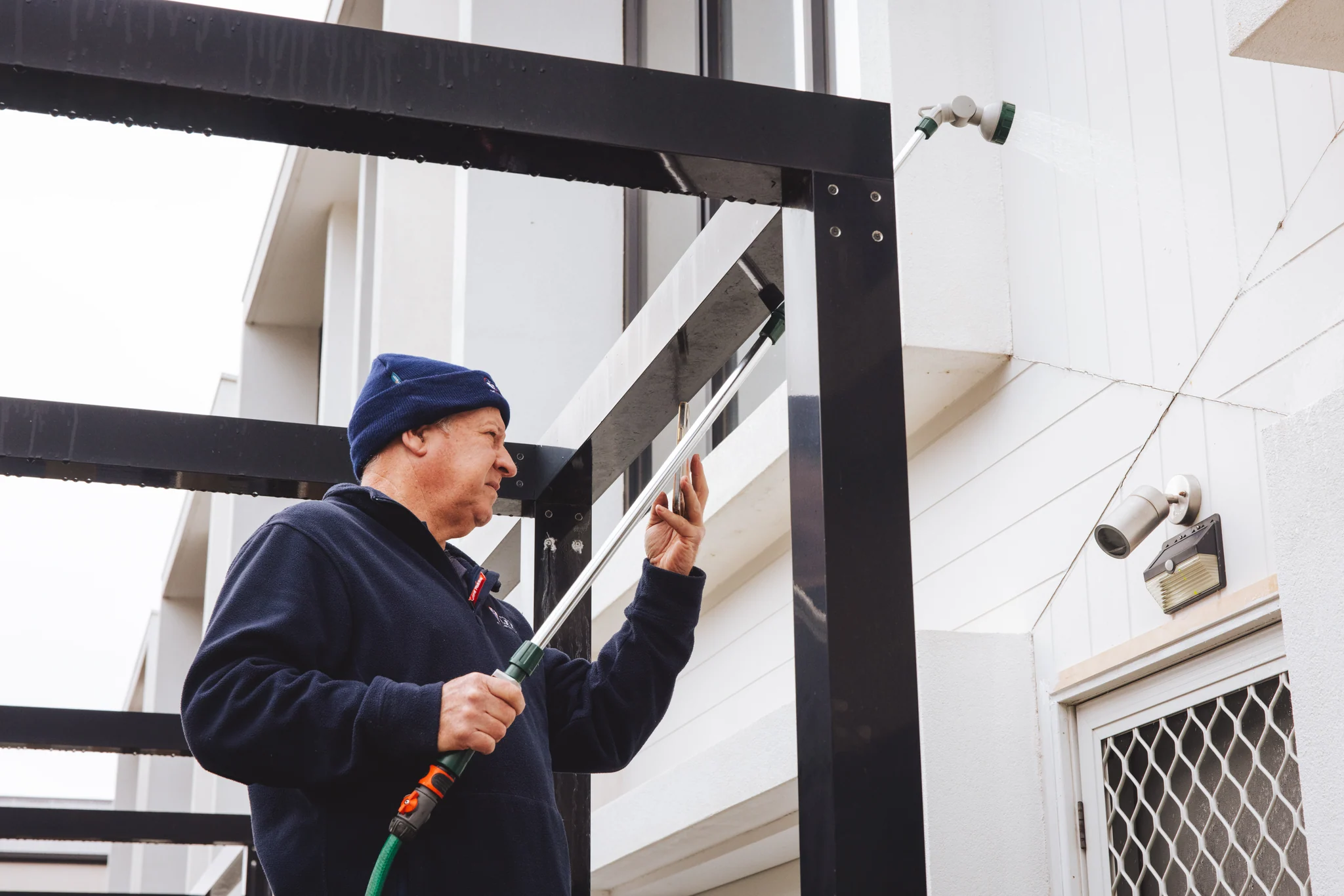
Balcony leaks are common in apartments, townhouses, and modern residential buildings, and often lead to strata disputes, builder disputes, and insurance claims. The visible damage may appear metres from the actual membrane failure because water can travel beneath the waterproofing layer before emerging below. ALD uses thermal imaging and moisture mapping to locate the source accurately, helping repair teams fix the right area the first time.
For balconies, terraces, podium decks, apartments, and townhouses.
Balcony leak detection is the process of locating waterproofing failures or drainage deficiencies in balconies, terraces, and podium decks — structures that are exposed to weather and must manage water movement without allowing ingress into the building below.
The waterproofing systems used in balcony construction are subject to UV degradation, building movement, thermal expansion, and poor installation practices. When they fail, the water path is rarely obvious. Specialist detection maps the moisture and identifies the failure zone so that repairs are targeted and effective.
Water stains are appearing on the ceiling or walls of the unit directly below the balcony
The balcony surface has cracked tiles, open grout joints, or visible membrane damage
Water is pooling on the balcony surface rather than draining away correctly
The balcony membrane is bubbling, blistering, or lifting in areas
There's a musty smell in the unit below when the balcony is wet
Previous repairs have been made but the leak has continued
Building settlement or movement has cracked the balcony screed or topping
Balcony leak detection is particularly important in strata buildings, where the cause of damage, the responsibility for repair, and the cost allocation between owners and the body corporate depends on a clear, documented finding.
$495
For a standard balcony leak detection inspection
Yes. A standard building inspection is a visual and qualitative assessment of the property's condition. Balcony leak detection uses thermal imaging and moisture meters to quantify and locate active water ingress in the waterproofing system — it's a specialist diagnostic, not a general assessment.
Not necessarily. Water in the ceiling of a unit below can come from balcony drainage failure, bathroom leaks from the same unit, plumbing faults in the unit above, or roof ingress in the building. Our detection process isolates the source, which is essential before any repair work or strata dispute is progressed.
Yes, regularly. Balcony leak detection is one of the most common strata maintenance items we're engaged for. We can provide reports in a format suitable for strata dispute resolution, insurance claims, and builder rectification proceedings. Contact us to discuss your specific situation.
The detection process itself doesn't damage the balcony surface. However, if the membrane repair requires opening the balcony — which most waterproofing failures do — some or all of the surface tiles will need to be lifted and replaced as part of the repair. Our report documents the scope so your builder can provide an accurate quote.
A clear, documented detection report is often essential for builder warranty claims, NCAT proceedings, and strata legal disputes involving water damage. Our reports are factual, method-documented, and suitable for use as supporting evidence. We recommend confirming with your solicitor before booking if legal proceedings are planned.
Water behind bathroom tiles is a structural threat. It rots timber, causes mould, and spreads silently. We find the leak — whether in plumbing, waterproofing, or grout — before the damage spreads. Early detection saves thousands in structural repairs.
View ServiceInfrared cameras reveal hidden moisture, heat loss, and structural issues invisible to the eye. We use this technology alongside acoustic and tracer gas methods to build a complete picture of what's happening in your property.
View ServiceFor single-storey buildings: we locate the source of roof water ingress without pulling apart your ceiling or removing tiles. Thermal imaging reveals moisture paths. Acoustic scanning finds cracks in gutters and valleys. We identify whether the problem is membrane failure, gutter damage, or internal plumbing.
View ServiceNo matter how many times it's patched. Get a documented finding and give your builder what they need to fix it once.