
Pressure Testing Services on site

Pressure Testing Services

Pressure testing checks whether a pipe system can hold pressure without leaking, including water mains, sewage lines, irrigation systems, fire sprinklers, and compressed air lines. ALD uses safe inert gases, nitrogen or helium, to identify pressure drops caused by leaks, cracks, ruptures, or joint failures. We never use natural gas, compressed air, or oxygen, as these create serious safety risks.

Using safe inert gases only: nitrogen or helium.

What Is Pressure Testing?

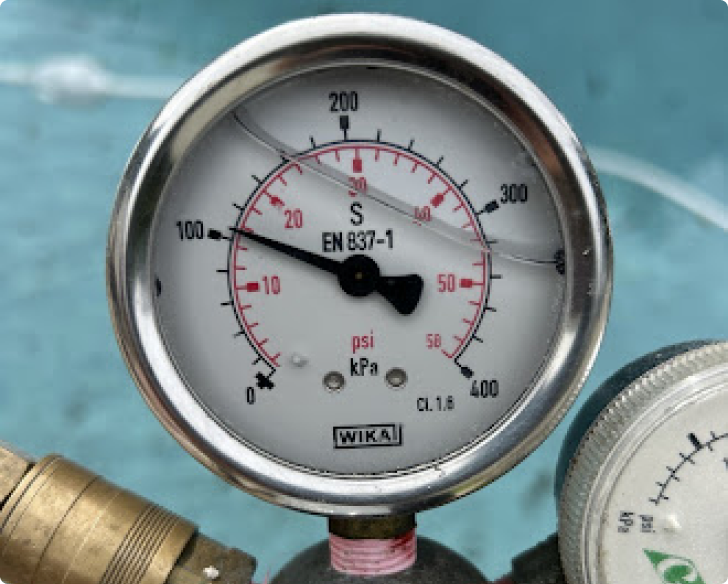
Pressure testing is a method of assessing the structural integrity and leak-resistance of a closed pipe system by pressurising it with an inert gas to a specified level and measuring whether pressure is maintained over a defined test period. Any drop in pressure indicates a leak, rupture, joint failure, or integrity issue.

Pressure testing is used for water supply lines, sewerage systems, irrigation systems, fire sprinkler systems, HVAC ductwork, and any other system that must maintain pressure integrity. It's performed to diagnose failures, verify repairs, validate new installations, or assess whether a system is fit for continued use.

Pressure Testing Services inspection detail

Signs You May Have This Type of Leak

  1. A pipe system is suspected to be leaking but location is unclear

  2. A section of pipe was repaired and you need to verify the repair is holding pressure

  3. A new pipe system was installed and must be tested for integrity before use

  4. You're selling a property and need to document system integrity for the new owner

  5. A pipe system is ageing and you want to know if it's still safe to use

  6. You suspect corrosion or joint deterioration in an underground or hidden pipe system

  7. Building or renovation work involves pipe systems that need integrity verification before handover

How We Perform Pressure Testing

Pressure testing is the only way to know if a closed system truly holds integrity. One test is worth weeks of assumptions.

Pricing Guide

$495

For a standard pressure test.

  • System isolation and safety inspection
  • Nitrogen pressurisation to specified test level
  • Pressure monitoring over defined test period
  • Leak detection and location identification if pressure loss occurs
  • Written pressure test report with results and findings
  • Guidance on repair requirements if leaks are found
Get started

FAQs

  • What pressure should we test to?

    That depends on the system type and its normal operating pressure. Water supply lines typically test at 1.5× working pressure (if that's 600kPa, test at 900kPa). Sewerage systems test at lower pressures (50–100kPa). Your system documentation or a building authority specification will define the test pressure. We'll confirm the right pressure before starting.

  • Why inert gas instead of air or water?

    Nitrogen and helium are inert — they don't react, combust, or pose explosion risk if a rupture occurs. Compressed air contains oxygen, which creates fire and explosion risk under pressure. Water pressure testing is valid for some systems but doesn't work for all pipe types and applications. We use nitrogen or helium because it's the safest, most reliable method.

  • What if the system fails the pressure test?

    A failed test tells you the system has a leak or integrity issue. We'll identify where the leak is so you know what to repair. Some leaks are at joints (fixable by tightening or resealing), some are in the pipe itself (requiring section replacement). Your plumber or contractor will use our findings to plan the repair.

  • Can we pressure test without isolating the system?

    No. Testing requires the system to be completely isolated from live supplies. If it's not isolated, you're testing the entire building's system, not just the section of interest. Proper isolation ensures a valid test result.

  • How long does pressure testing take?

    For a small residential system, 1–2 hours. For a larger or more complex system, 3–4 hours including inspection, pressurisation, test duration, and reporting. We'll estimate the time during your booking call.

Related Services

  • Water Leak Detection

    High water bill? Mysterious damp spot? Slow drip inside the walls? We use acoustic listening and tracer gas technology to locate water leaks precisely, without breaking concrete, tiles, or drywall. Full written report included, with repair guidance for your plumber.

    View Service
  • Pipe Location & Utility Mapping

    Know exactly where every pipe runs before you dig, drill, or build. We map water, gas, electrical, and drainage lines using ground-penetrating radar and acoustic location — preventing costly and dangerous mistakes.

    View Service
  • Underground Leak Detection

    High water bill? Mysterious damp spot? Slow drip inside the walls? We use acoustic listening and tracer gas technology to locate water leaks precisely, without breaking concrete, tiles, or drywall. Full written report included, with repair guidance for your plumber.

    View Service

What Our Clients Say

A pipe system must hold integrity or fail.

Pressure testing proves whether it does. Book a test and know for certain.