
Main Line Water Leak Detection on site

Main Line Water Leak Detection

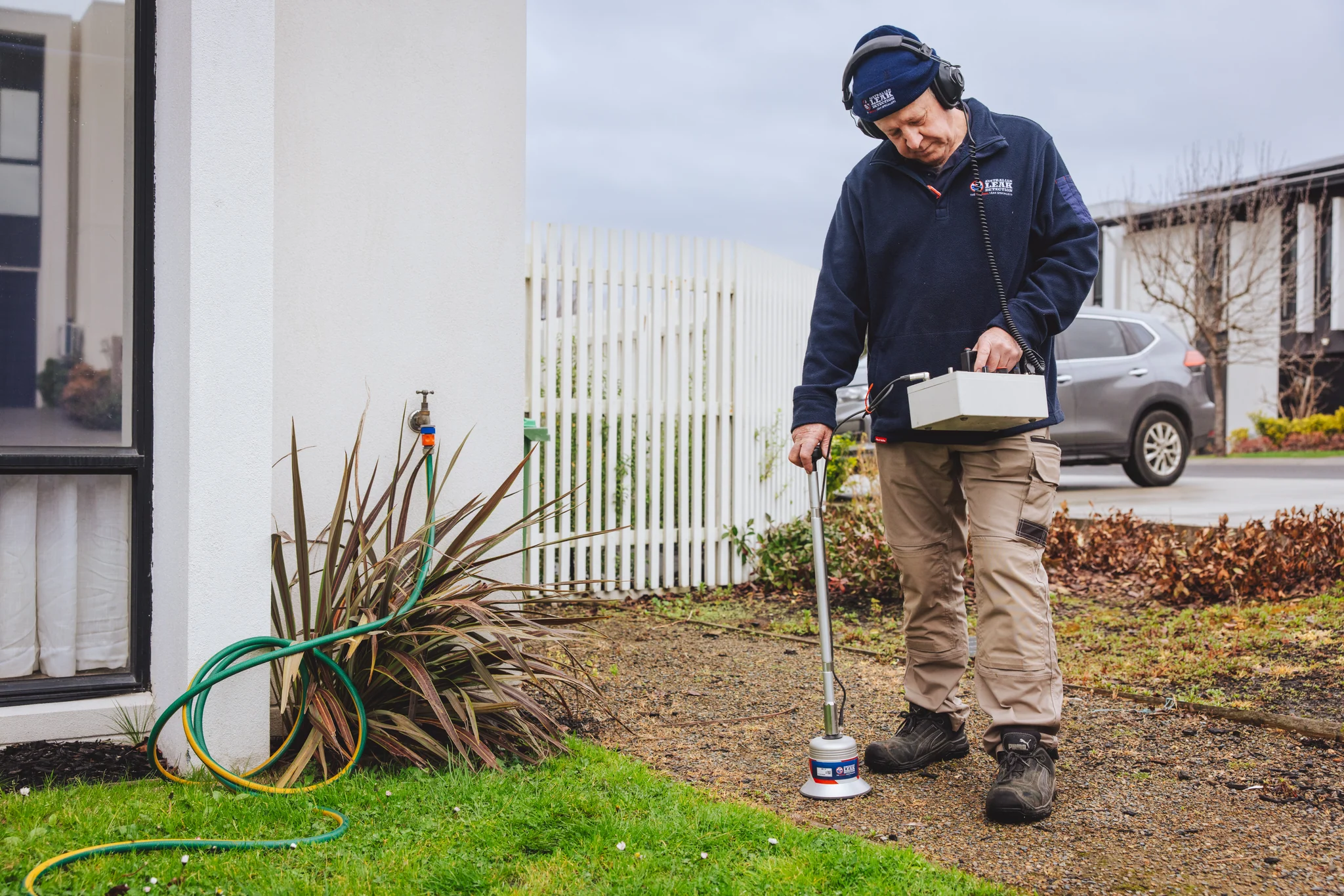
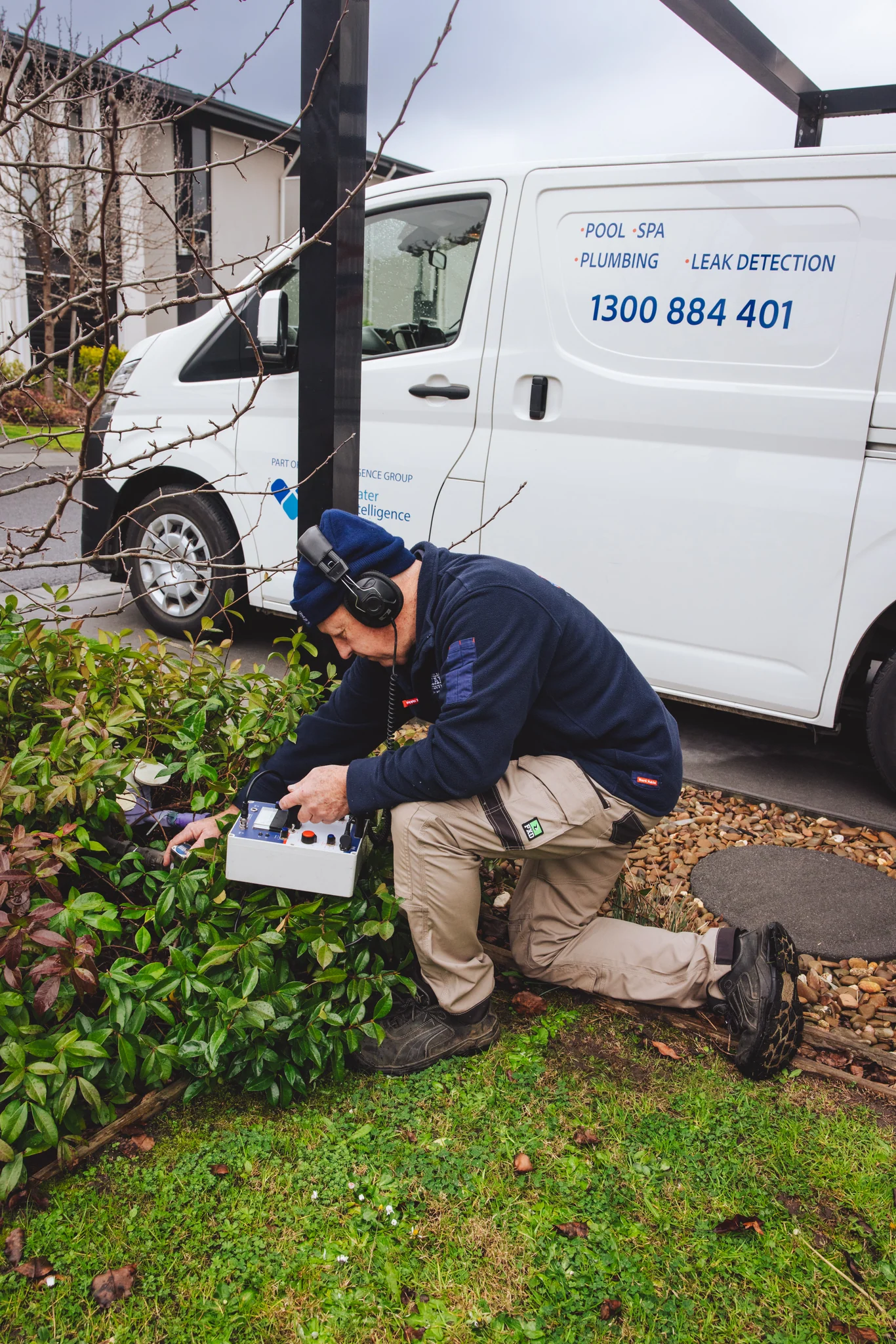
Main line leaks can waste hundreds of litres daily before surface signs appear, such as soft lawn, lifted paths, cracked concrete, or saturated soil. Australian Leak Detection uses acoustic correlation and tracer gas technology to pinpoint the leak and mark the exact location, so your plumber can open one spot and repair the right area.

Specialist equipment for buried main water service lines.

What Is Main Line Leak Detection — And Why Does It Need Specialist Equipment?

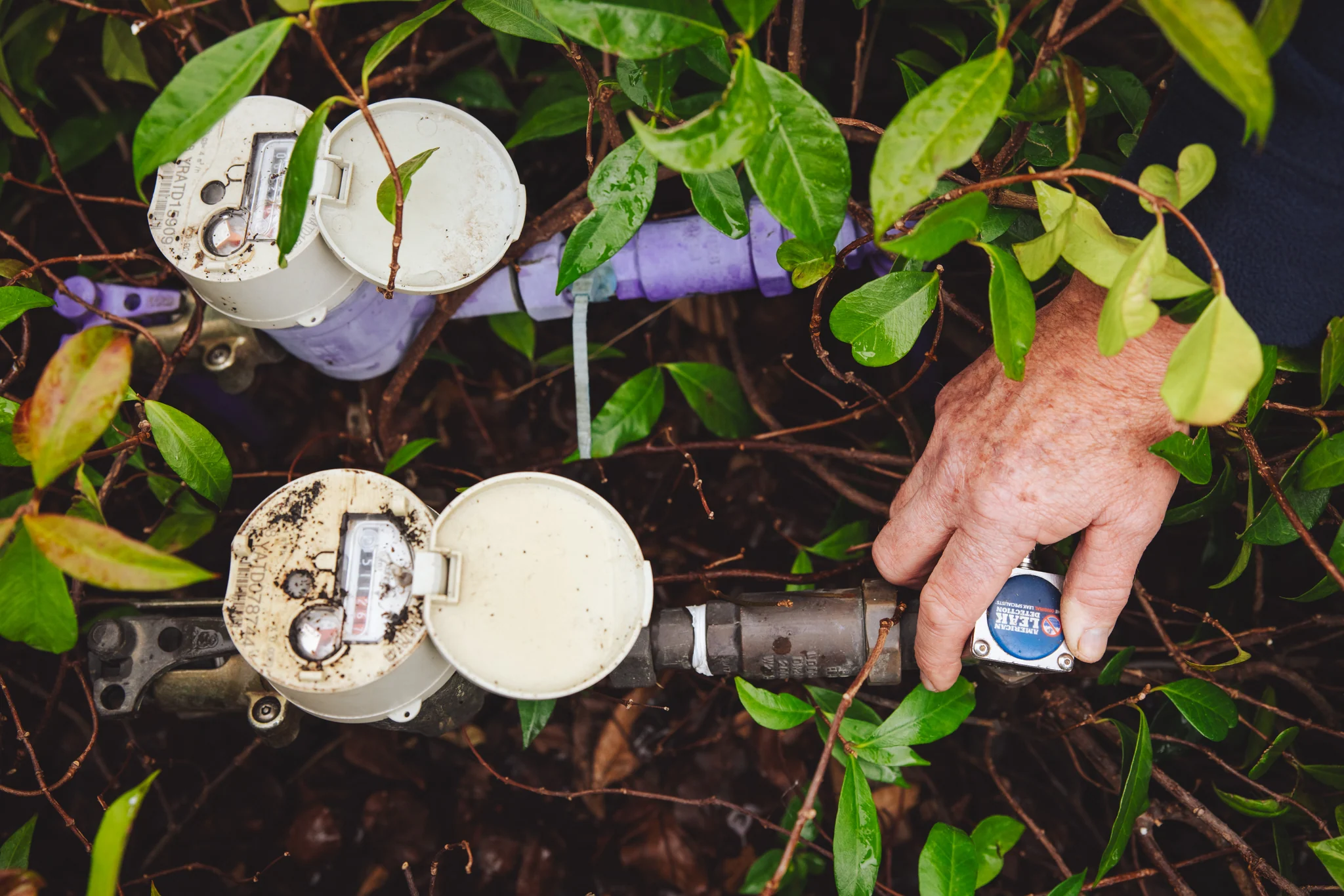
Your main water service line carries water from the meter to your property’s internal plumbing. Because this pipe is buried, leaks caused by fractures, corrosion, or joint failure are usually invisible from the surface, especially under driveways, garden beds, paths, or hardstand areas. ALD uses acoustic correlation to locate main line leaks without destructive trenching.

Commercial main line inspections — including larger pipe diameters, multi-point networks, and building supply risers — are priced on scope. Contact us with your property details and we'll provide an accurate quote before committing to a booking.

Main Line Water Leak Detection inspection detail

Signs You May Have This Type of Leak

  1. Your water bill has risen significantly without any change in household usage or occupancy

  2. Your water meter continues to register flow even when all taps, appliances, and irrigation are off

  3. There is a consistently damp, soft, or unusually green section of lawn along the path your pipe runs

  4. You notice a drop in water pressure throughout the entire property — not just one tap

  5. A section of your driveway, path, or concrete surface has cracked, lifted, or settled unexpectedly

  6. You've received a High Consumption Notice from your water authority

  7. You can hear water running in the meter box when nothing inside is on

  8. There are rust stains or mineral deposits visible around your meter housing

How We Find a Main Line Leak — Step by Step

Every main line detection job follows a structured process designed to confirm the leak exists, isolate its position to the supply line, and locate it precisely — before any ground is opened. Here's exactly what happens from the moment you call us to the moment you receive your report.

Pricing Guide

$495

For a standard residential main line leak detection inspection.

  • Meter confirmation and flow rate assessment
  • Pipe route confirmation (where required — included in standard inspection)
  • Full acoustic correlation scan of the main supply line
  • Tracer gas confirmation (where required due to hard stand or concrete)
  • Precise leak location marked on the surface
  • Written detection report suitable for plumber, insurer, or water authority
  • Post-inspection walkthrough of findings with the technician on the day
Get started

FAQs

  • How do I know if the leak is on the main line or inside my house?

    The simplest check is to isolate your internal supply. Turn off the isolation valve at the meter (this cuts supply to the house but leaves the section between the street and the meter live) and watch the meter. If it's still moving with the internal supply isolated, the leak is between the street and your internal isolation point — almost certainly on the main service line. If the meter stops, the leak is inside. Our technicians do this check as the first step in every main line inspection, so you don't need to worry about doing it yourself before booking.

  • Can you detect a leak under my concrete driveway?

    Yes — this is one of the most common scenarios for main line detection. Acoustic correlation and tracer gas both work through concrete, asphalt, and other hard surfaces. We give the plumber a precise location so they cut a single, targeted hole rather than breaking up a large section speculatively.

  • How long does main line leak detection take?

    A standard residential main line inspection takes between one and two hours from arrival to written report. This includes the meter check, pipe route confirmation, acoustic correlation, and surface marking. If tracer gas confirmation is required, allow an additional 30–45 minutes.

  • My plumber said they can't find the leak without digging. Can you do better?

    Yes — and this is precisely what we're here for. A licensed plumber's skill set is repair and installation. Acoustic correlation and tracer gas detection require specialist equipment and training that most plumbers don't carry or maintain. We're not competing with your plumber — we're the step that comes before they start work.

  • Does the water need to be on for detection?

    Yes — acoustic correlation works because the escaping water is under pressure, which creates a distinctive sound at the fracture point. The system needs the pipe to be live and pressurised to generate the acoustic signal.

  • What pipe materials can you detect leaks in?

    Our acoustic correlation equipment works on copper, HDPE (polyethylene), PVC, steel, and galvanised iron pipes — which covers the vast majority of main line supply materials used in Australian residential and commercial construction from the 1950s onward.

  • Is a main line leak covered by home insurance?

    This depends on your policy and your insurer. Most standard home insurance policies cover sudden and accidental damage, but gradual leaks — which are more common in main lines — are sometimes excluded as a maintenance issue.

Related Services

  • Underground Leak Detection

    High water bill? Mysterious damp spot? Slow drip inside the walls? We use acoustic listening and tracer gas technology to locate water leaks precisely, without breaking concrete, tiles, or drywall. Full written report included, with repair guidance for your plumber.

    View Service
  • Water Leak Detection

    High water bill? Mysterious damp spot? Slow drip inside the walls? We use acoustic listening and tracer gas technology to locate water leaks precisely, without breaking concrete, tiles, or drywall. Full written report included, with repair guidance for your plumber.

    View Service
  • Pipe Location & Utility Mapping

    Know exactly where every pipe runs before you dig, drill, or build. We map water, gas, electrical, and drainage lines using ground-penetrating radar and acoustic location — preventing costly and dangerous mistakes.

    View Service
  • Pressure Testing

    Inert gas (nitrogen/helium) pressure testing for pipe integrity checks. We test newly installed systems, repaired lines, or existing infrastructure to confirm system integrity. Complies with AS3500 standards and provides documentary proof for councils and builders.

    View Service

What Our Clients Say

If your meter is moving and nothing's on, every hour you wait is water and money down the drain.

A main line leak is the type of problem that doesn't get smaller by itself — it gets more expensive. The good news is we can locate it precisely, usually in a single visit, and have a written report in your plumber's hands the same day. Don't let your plumber guess. Don't let a water authority notice sit on the counter. Get a precise answer and fix it once.