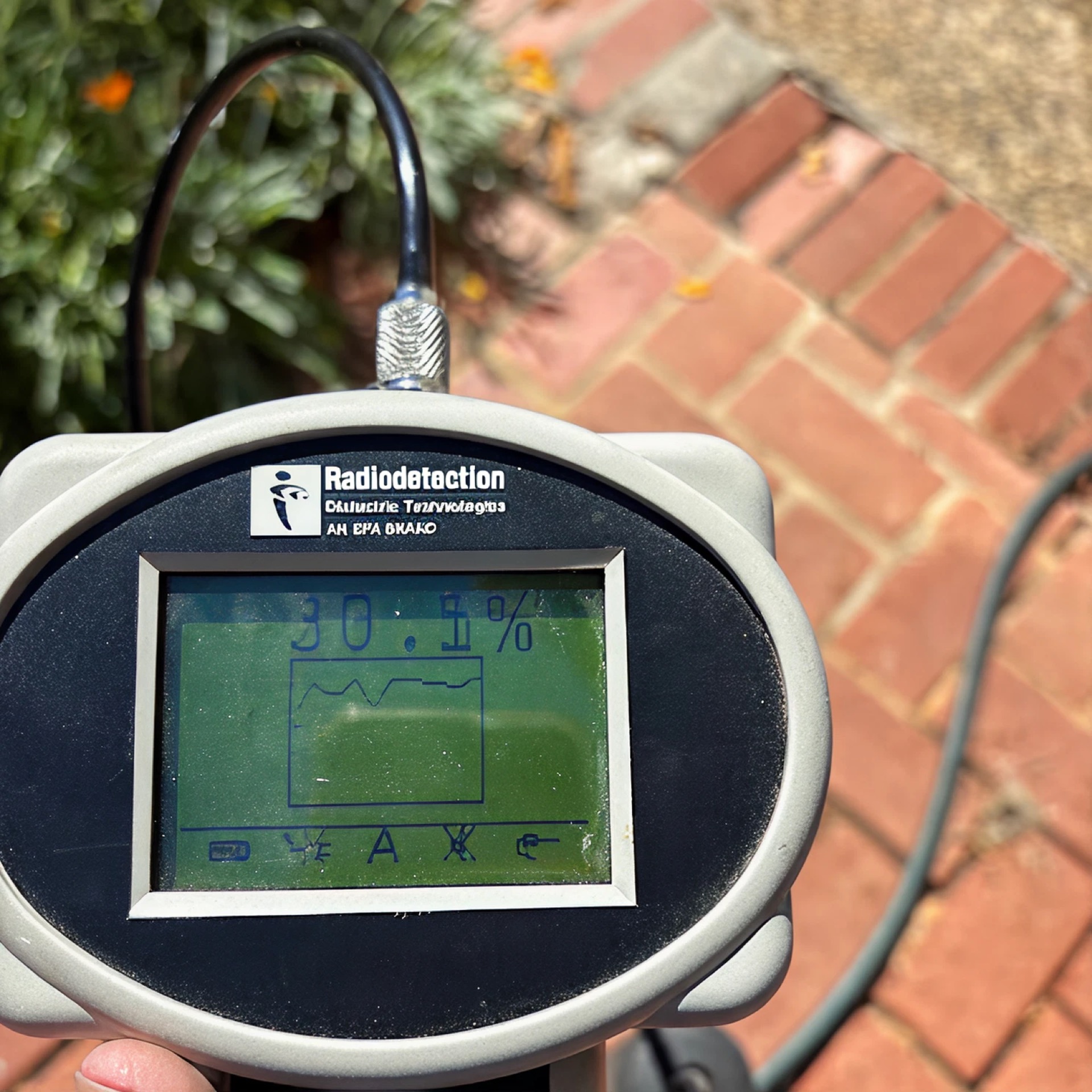
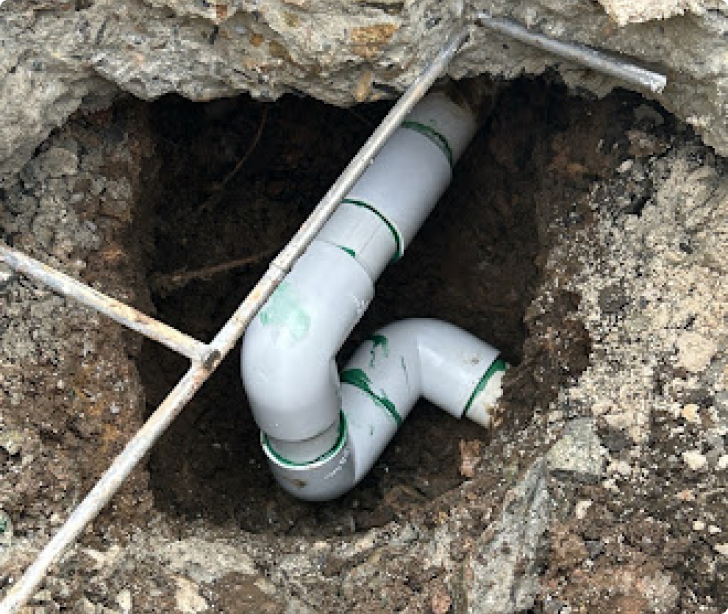
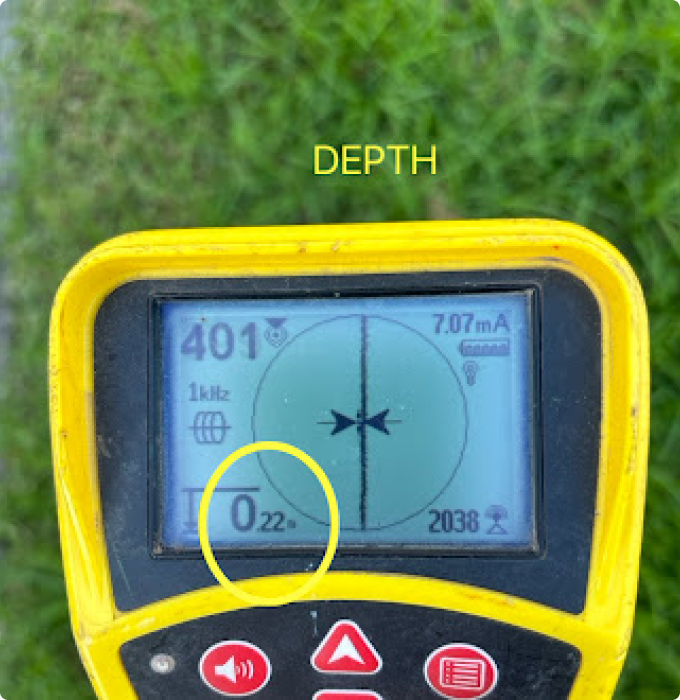
Pipe Location & Utility Mapping on site

Pipe Location & Utility Mapping

Before digging, you need to know what is underground. Water mains, gas lines, electrical cables, sewers, stormwater, telecommunications, irrigation, or compressed air lines can create serious hazards and costly repairs if struck. ALD uses pipe location and utility mapping with GPR and electromagnetic induction to identify buried services, including their location, depth, and route. We support residential renovations, commercial construction, council projects, and any site where safe excavation depends on clear underground mapping.

For renovation, excavation, construction, council, and commercial works.

What Is Pipe Location & Utility Mapping?

Utility mapping is the process of identifying and locating underground services without excavation, using non-invasive detection technology. Ground-penetrating radar bounces radio waves into the ground and reads the return echoes to build a subsurface map. Electromagnetic induction detects metallic pipes and cables. The result is a precise map showing each utility's location, depth, and route.

This service is essential before any excavation, construction, or ground work. Utilities are not always marked accurately in council records. Private services may not be recorded at all. Hidden utilities that don't follow expected routes cause accidents, damage, injuries, and project delays. Mapping before digging costs a small fraction of fixing the aftermath.
Pipe Location & Utility Mapping inspection detail

Signs You May Have This Type of Leak

  1. You're planning to dig footings, trenches, or a basement and need to confirm no utilities are in the way

  2. You're renovating and want to know pipe/cable routes before cutting walls or removing sections

  3. You're planning a pool, shed, or major landscaping project

  4. A contractor needs utility information before starting excavation work

  5. You're investigating damage (broken line) and need to map the utilities in that area

  6. You're installing a private service (irrigation, compressed air) and need to avoid existing utilities

  7. You're a developer or council planning a project and need comprehensive underground mapping

How We Locate & Map Utilities

Utility mapping is not optional before major ground work. It's the difference between a successful project and an expensive disaster.

Pricing Guide

$495

For standard residential utility mapping

  • Ground-penetrating radar scan of the marked area
  • Electromagnetic induction detection of metallic services
  • Site plan with all located utilities marked, colour-coded, and depth-annotated
  • Digital copy of utility map for your records and contractors
  • On-site consultation with contractors before excavation
Get started

FAQs

  • How accurate is utility mapping?

    GPR accuracy is typically within 5–10cm for location and 10–20cm for depth, depending on soil conditions and service type. Metallic services (detected electromagnetically) are more precise. This level of accuracy is more than enough to avoid damage during excavation. We'll mark utility locations clearly on your plan and advise contractors to confirm before digging.

  • Do all utilities get mapped?

    Most yes, some sometimes. Mains services (water, gas, sewerage, electrical) almost always show up. Private services (irrigation, compressed air, private electrical) show up if they're metallic or if we can trace them. Telecommunications cables sometimes are difficult to locate depending on cable shielding. We'll note in the report what we found and what was not located.

  • Can you map an area before we mark it out for excavation?

    Yes. We can either scan a defined area of your choice, or we can scan a broader area first to see what's present, then recommend where it's safe to dig. Let us know what you're planning and we'll advise the best approach.

  • If we find a service in the way, what do we do?

    That depends on what the service is and whether it can be relocated. Water and gas mains typically can't be moved without council and utility company approval. Private services (irrigation, buried electrical) might be relocatable. Once we've mapped everything, we'll advise on your options and liaise with relevant authorities if needed.

  • How long does utility mapping take?

    For a standard residential area (1000–2000 sqm), a full scan takes 4–8 hours depending on terrain, vegetation, and complexity. Larger areas take longer. We'll give you a time estimate during the booking call.

Related Services

  • Water Leak Detection

    High water bill? Mysterious damp spot? Slow drip inside the walls? We use acoustic listening and tracer gas technology to locate water leaks precisely, without breaking concrete, tiles, or drywall. Full written report included, with repair guidance for your plumber.

    View Service
  • Sewer & Stormwater Camera Inspection

    CCTV camera inspection for drainage, blockages, root intrusion, and pipe condition assessment. We provide footage and a detailed written report you can share with plumbers or councils for planning repairs.

    View Service
  • Underground Leak Detection

    High water bill? Mysterious damp spot? Slow drip inside the walls? We use acoustic listening and tracer gas technology to locate water leaks precisely, without breaking concrete, tiles, or drywall. Full written report included, with repair guidance for your plumber.

    View Service

What Our Clients Say

Before you dig, know what's buried.

One utility hit changes everything. Map first, dig safely. Book a utility mapping scan.