Private preview

Australian Leak Detection

This live site is currently protected while final checks are underway.

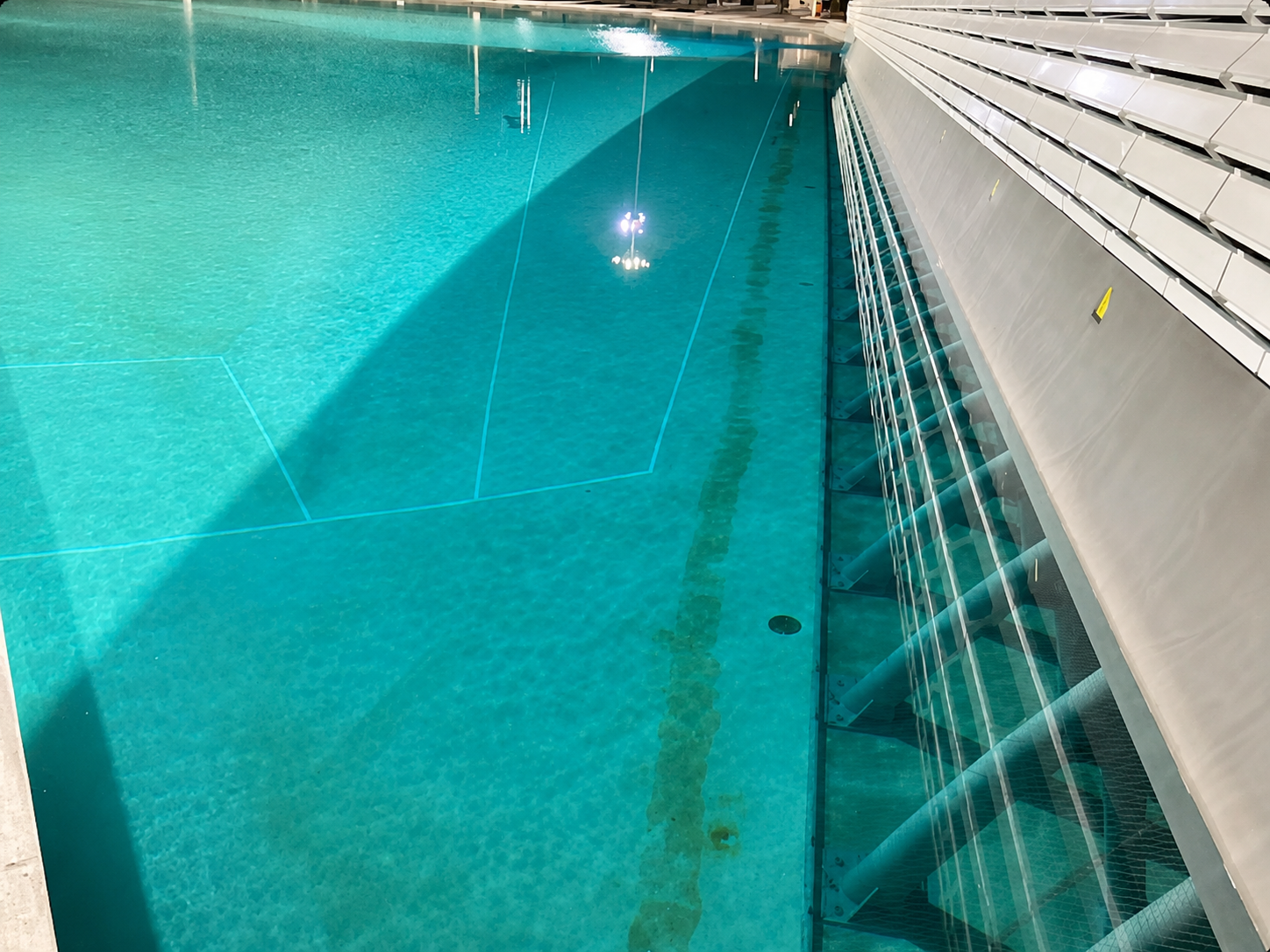
Indoor pool and spa leak detection inspection showing pool water and structure

Pool & Spa Leak Detection

Pools can lose varying amounts to evaporation depending on conditions. If loss is consistently above expected evaporation or above the bucket test result, inspection may be needed. ALD uses pressure testing, dye testing, and acoustic equipment to locate whether the issue is in the pool shell, underground plumbing, fittings, returns, pump, or filter system, so repairs can be targeted instead of guessed.

Specialist non-destructive detection for pools, spas, and water bodies.

Pricing Guide

Starting From

$600

for a standard pool leak detection inspection.

  • Full pressure test of all plumbing circuits
  • Dye testing of suspect fittings, returns, and shell
  • Structural inspection of pool shell and equipment
  • Written report with leak location and repair recommendation
GET A CUSTOM QUOTE

What Is Pool & Spa Leak Detection?

Pool leak detection is a specialist process of identifying and locating water loss from a pool or spa using non-destructive methods — pressure testing, dye testing, acoustic scanning, and visual inspection of fittings and returns. It's distinct from pool maintenance or repair — our role is to find the leak, document its location, and advise on the right repair approach.

The most common sources of pool leaks are cracked or porous shell structure (fibreglass, concrete, or vinyl), faulty plumbing joints in the underground return and suction lines, worn or deteriorated fittings and fixtures, and failing waterproof seals around lights, skimmer boxes, and returns. Each type requires a different detection method, which is why specialist equipment matters.
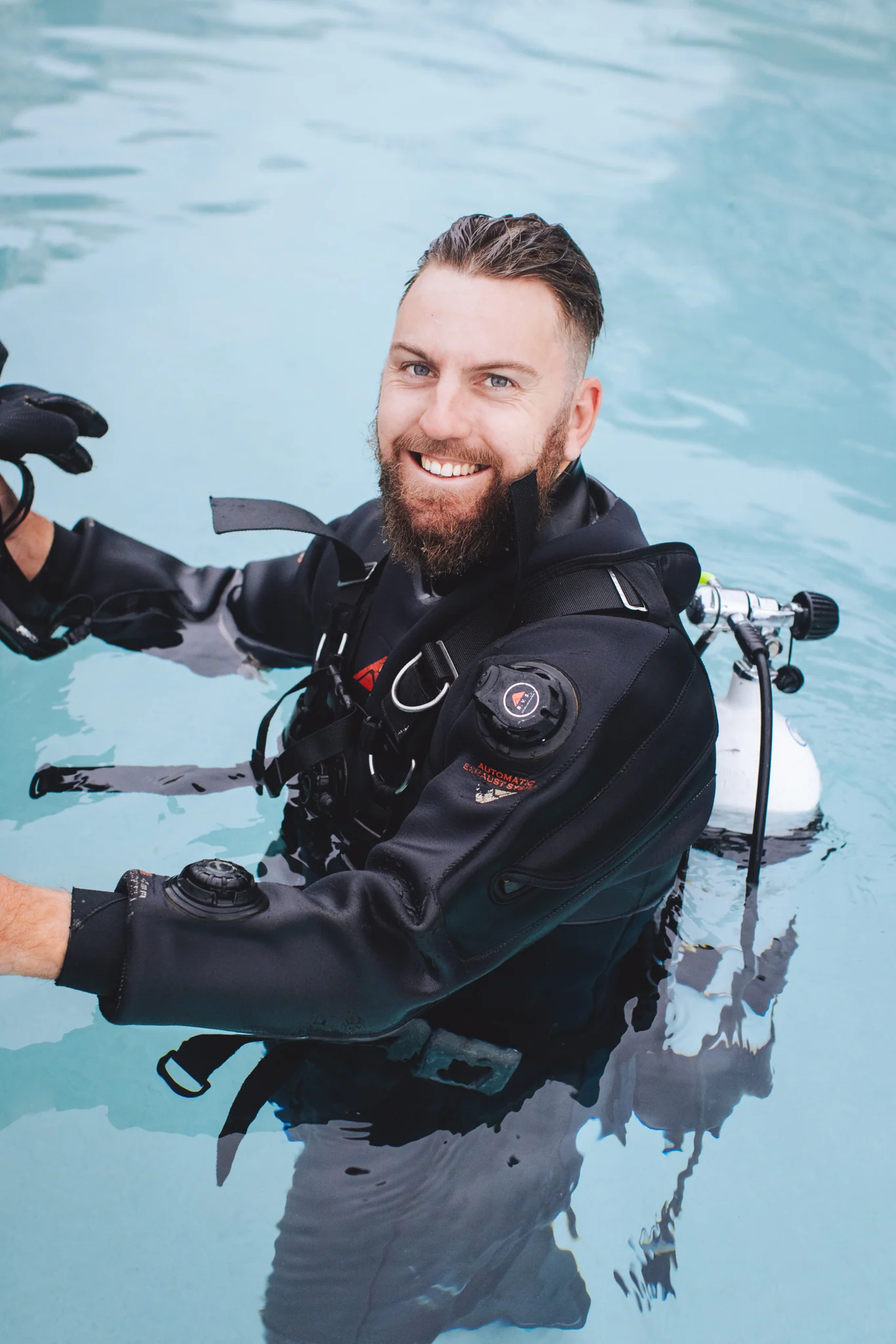
Pool leak detection diver inspecting a swimming pool with specialist equipment

Signs You May Have This Type of Leak

  1. Water loss is consistently above the expected evaporation for current conditions

  2. The pool drops more than the bucket test over the same period

  3. You're regularly topping up the pool but can't find a visible cause

  4. There are damp or muddy patches around the pool equipment or surrounds

  5. Pool chemical consumption has increased without a change in usage

  6. Cracks are visible in the pool shell or coping

  7. Your pool lights or skimmer boxes feel loose or show signs of movement

How We Detect Pool & Spa Leaks

Pool leak detection is specialist work that most general plumbers and pool technicians are not equipped to perform. We have the pressure testing equipment, dye kits, and acoustic tools to isolate the problem before anyone does any work.

FAQs

  • How do I know if my pool is leaking or just evaporating?

    The bucket test is the simplest check: fill a bucket with pool water to about 2cm from the top, place it on a pool step, and mark the water level in both the bucket and the pool. After 24 hours, compare the drop. If the pool drops more than the bucket, inspection may be needed. Evaporation varies with conditions, so repeat the test if you're unsure.

  • Do you need to drain the pool to find the leak?

    In most cases, no. Pressure and dye testing are usually done with the pool full. If a fitting or test area needs closer access, your technician will advise any minor water level adjustment before work begins. Full draining is uncommon for standard detection.

  • Can you find a leak in a fibreglass, concrete, or vinyl pool?

    Yes — all three. Each pool type has its own common leak points, and our detection methods cover all of them. Fibreglass pools often leak around fittings and lights. Concrete pools commonly develop cracks in the shell or coping. Vinyl liner pools may delaminate or split. We've worked across all pool types and all construction eras.

  • Do you repair pools as well as detect leaks?

    ALD may repair pool pipes, quote pipe repair work, replace hydrostatic valves, replace eyeballs, and provide temporary epoxy, vinyl, or some fibreglass patches where suitable. Pool technicians, renovators, or qualified contractors often handle other pool pipe or structural repairs if ALD does not.

  • My pool has been leaking for years — is it too late to fix?

    It's rarely too late to find and fix a pool leak. What matters is identifying the source accurately so the repair addresses the actual problem. Long-term leaks can sometimes cause secondary issues (soil movement, structural settling), but our detection process identifies everything in scope. Ask your pool repairer about any secondary work once we've provided our report.

Related Services

  • Pool Leak Repair

    ALD may repair pool pipes, replace hydrostatic valves or eyeballs, and apply temporary epoxy, vinyl, or fibreglass patches where suitable.

    View Service
  • Water Feature Leaks

    Water-feature testing is selective and often limited by access, plumbing, and feature design. Contact us first to confirm whether ALD can assess yours.

    View Service
  • Water Leak Detection

    High water bill? Mysterious damp spot? Slow drip inside the walls? We use acoustic listening and tracer gas to locate water leaks and help your qualified contractor target the right repair area. Full written report included, with repair guidance for a qualified contractor.

    View Service

What Our Clients Say

Not sure if your pool has a leak or if it's just evaporation?

Let us do the assessment. We'll give you a clear, documented answer — and if there is a leak, we'll tell you exactly where it is.