Leak Detection for Insurance Claims & Loss Assessment

Water damage insurance claims depend on clear evidence of the leak source, location, and extent. Australian Leak Detection provides loss assessors, claims managers, insurers, and policyholder representatives with objective, method-documented reports that support faster, more confident claim decisions.

Why Leak Location Matters for Claim Decisions

Insurance policies usually cover sudden, accidental water damage from burst pipes, fitting failures, or appliance malfunctions, while gradual seepage, maintenance neglect, pre-existing defects, and waterproofing failures are often excluded. Professional leak detection helps clarify this distinction with documented evidence. ALD identifies whether the leak came from a pressurised supply line or slow seepage, records pipe condition, confirms whether the leak is active or intermittent, and documents the affected area before repairs begin. This gives insurers clear evidence to assess causation and make informed claim decisions.
Our Role: Neutral, Factual, Evidence-Based Assessment

We are engaged by insurers, loss assessors, and policyholders alike-and we are neutral in our assessment. We don't advocate for claim approval or denial. We document what we find, how we found it, where it was found, and what the evidence indicates. This neutrality is crucial. Insurers trust our reports because we have no incentive to favour either party. Policyholders trust our reports because our methodology is transparent and our findings are defensible. Loss assessors use our reports as the foundation for their claim recommendations. This impartial approach means our reports carry weight with insurers, legal representatives, and claims dispute processes.

Common Insurance Claim Scenarios

  1. 01

    Homeowner discovers water staining under bedroom carpet-claims sudden leak from supply line; insurer suspects slow seepage. Detection confirms exact location and whether leak is in supply line (sudden) or gradual wall moisture (excluded)

  2. 02

    Landlord's investment property shows mould growth in rental unit-tenant claims responsiveness to repair, landlord disputes cause of moisture. Detection confirms leak source and timeline, determining who bears liability

  3. 03

    Balcony of apartment building shows water damage to unit below-owner of upper unit claims structural defect in balcony; owner of lower unit claims the damage is neighbour's responsibility. Detection confirms whether waterproofing failure is in balcony structure or internal plumbing

  4. 04

    Insurance claim for kitchen flooding-dishwasher malfunction suspected, but water damage extends beyond kitchen, suggesting underground leak. Detection isolates whether damage originates from appliance or from separate supply line leak

  5. 05

    Basement water damage in older home-policy excludes gradual seepage but covers sudden flooding. Detection determines whether damage is from slow water table rise or from pipe burst

Report Format Accepted by Major Insurers

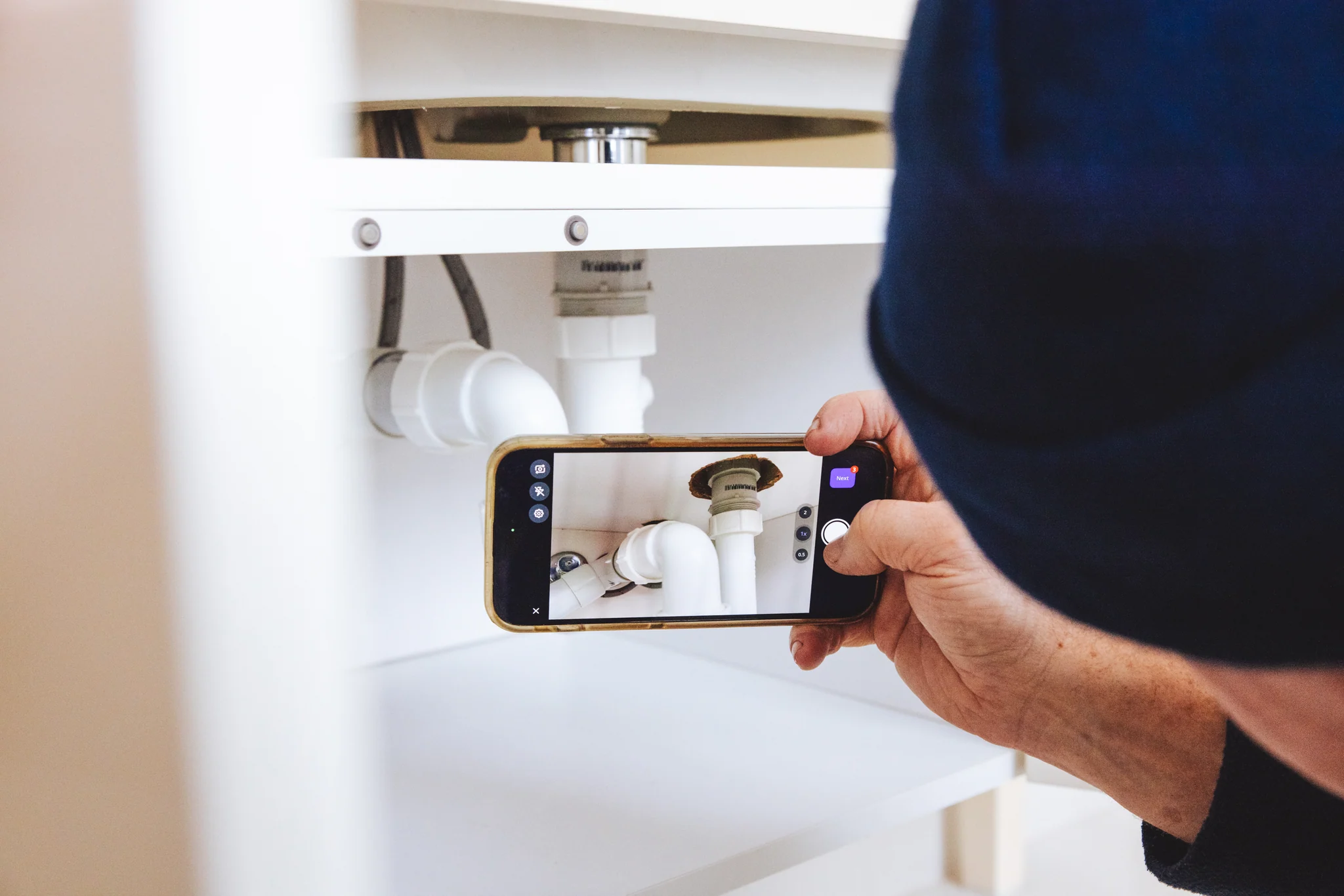
Our reports are structured for insurer review and include the detection date, property location, inspection method, exact leak location, photographic evidence, severity, material observations, moisture extent, and recommended next steps. This format has been accepted by major Australian home and landlord insurers we have worked with. We do not estimate repair costs or damage scope. We detect, document, and report, while plumbers, builders, insurers, and contractors assess repair pricing and claim value.

ISO Certifications & Professional Standards

Our ISO 9001, ISO 14001, and ISO 45001 certifications reflect documented, auditable processes and professional standards. Insurers and loss assessment companies recognise these certifications as evidence of quality management, process reliability, and consistent leak detection reporting.

Speed & Availability

Insurance claims move faster when leak detection happens before repairs begin or damaged materials are removed. ALD prioritises claim-related inspections and typically attends metropolitan properties in Melbourne, Sydney, Brisbane, Perth, and Adelaide within 48 hours of instruction. This helps insurers assess claims quickly, reduce delays for policyholders, and lower claims administration costs.

How to Engage ALD for Insurance Claims Work

Loss assessors, claims managers, loss adjusters, and policyholders can contact ALD by phone or through our commercial enquiry form for insurance claim leak detection reports. Please provide the property address, suspected leak details, visible damage location, preferred inspection timeframe, and policy number or insurer name if available. We quote based on location and complexity and can typically attend metropolitan properties within 48 hours. Insurance claim inspections start from $850 in metropolitan areas, with expedited scheduling available when required.