
Why Case Studies Matter

If you're considering professional leak detection, you want concrete answers — not marketing language. The case studies below show exactly what we've found, how we found it, and what changed for the client. Each one is a real job we've been engaged on, written up with the property owner's permission and any identifying details adjusted where requested.

Types of Cases We Document

What Each Case Study Includes

Every case study follows the same documented structure so you can compare situations across property types and find the closest match to your own.

  1. 01

    Client background and brief

    A short narrative of who the client is and what they were dealing with going into the inspection.

  2. 02

    Inspection findings

    The specialist methodology used, the equipment deployed, and the location identified — with measurements.

  3. 03

    Outcome and value

    What happened next, what the repair cost, and the secondary damage avoided by finding the leak early.

Explore Our Case Study Library

Three studies below illustrate the breadth of what we handle — a hidden domestic supply leak, a pool structural fault, and a strata-wide waterproofing dispute. Each one documents the problem, the technology used, and the outcome.

Talk to a specialist

Case Study 1

Residential Water Leaks

Brunswick, VIC · 2025

  1. The Situation

    Water bill had tripled in a single quarter on a 1960s weatherboard home. No visible leak. Two plumbers had visited and left without a finding.

  2. The Problem

    A slab-buried copper supply line had developed a pinhole leak under the kitchen — invisible from above and below, but acoustically detectable through the polished concrete.

  3. Detection Method

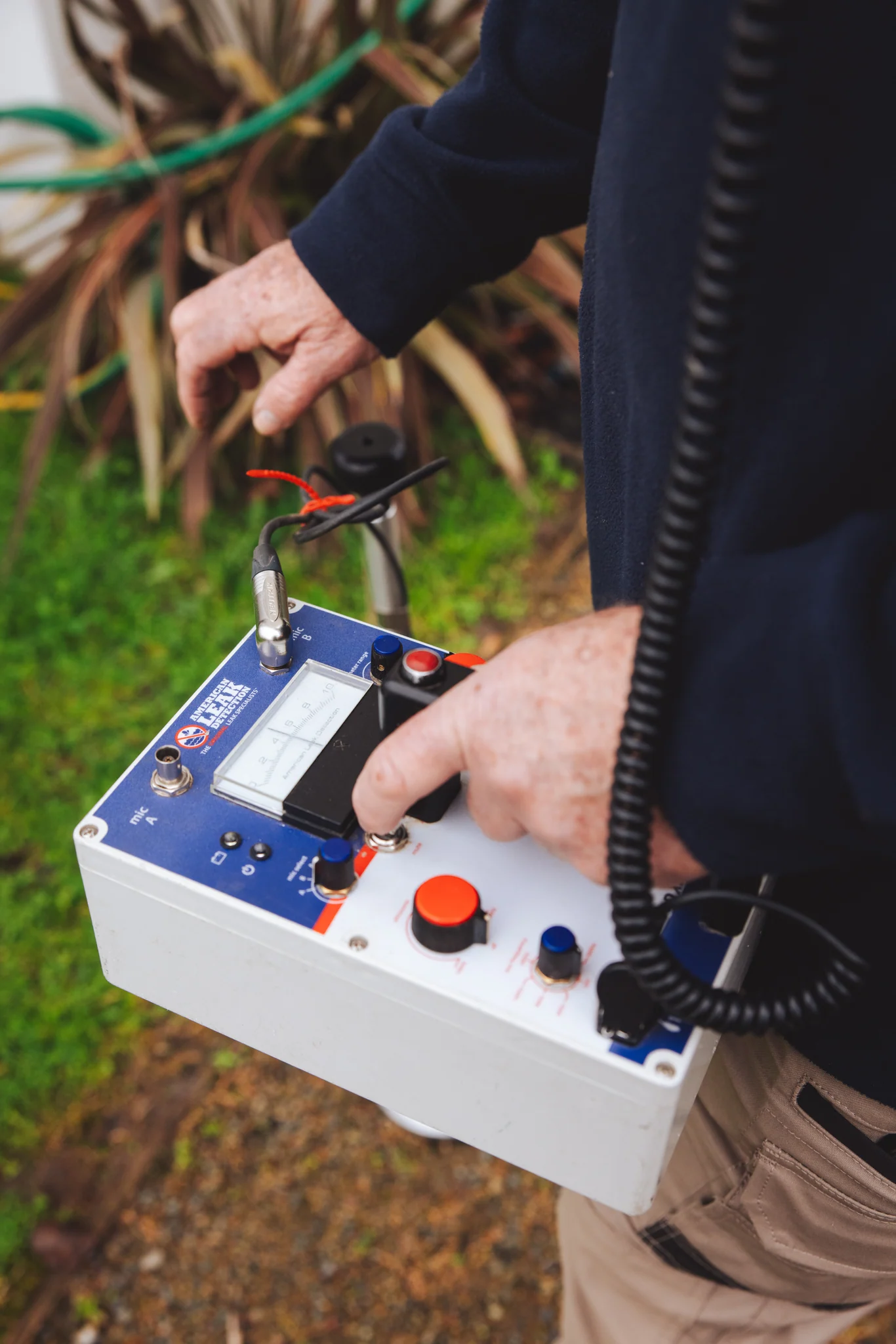
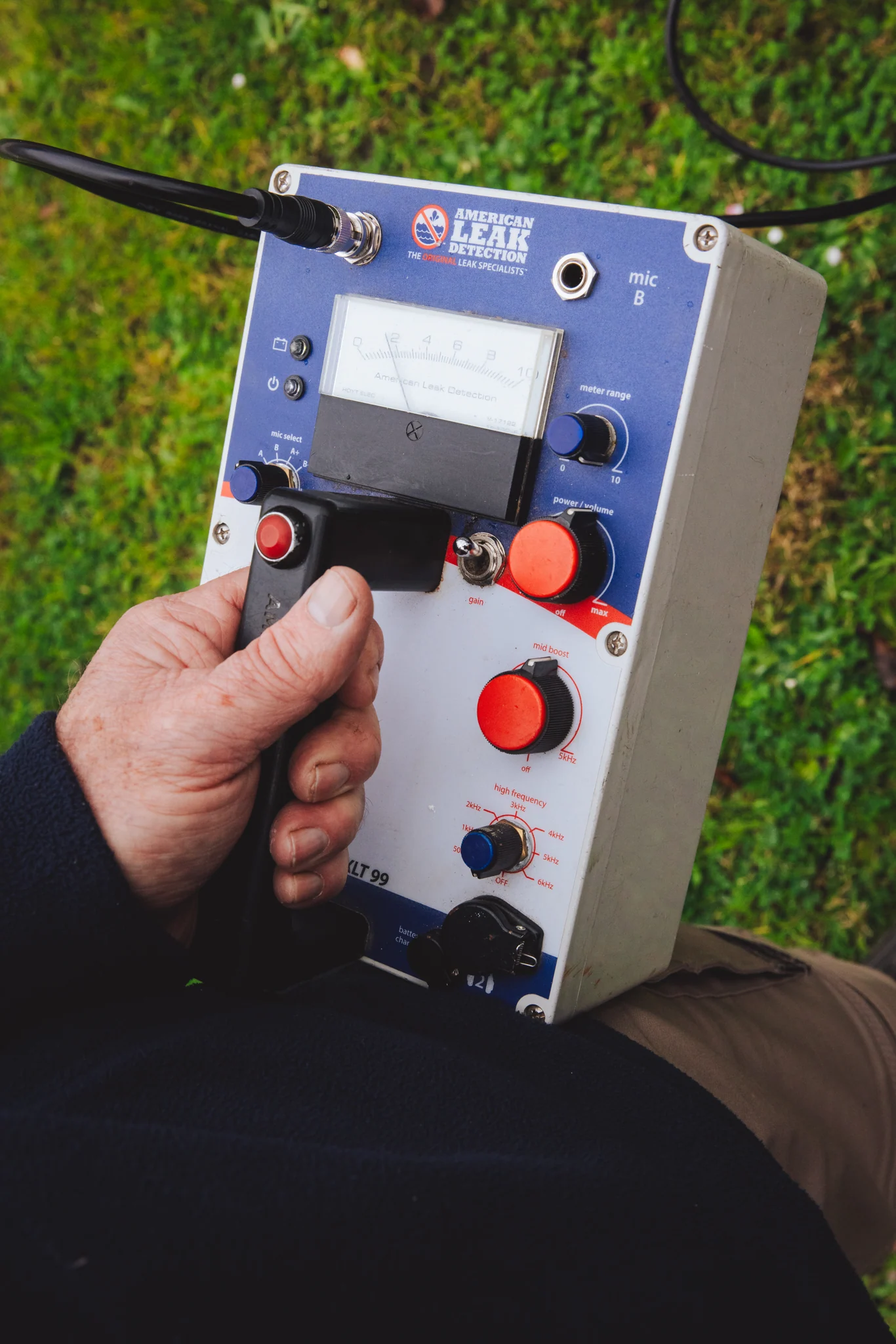
    Acoustic listening over the slab established the loudest reading at the kitchen-island floor; tracer-gas confirmation pinpointed the leak to within 30cm.

  4. Outcome

    Plumber cut a single 25 × 25cm section of slab, replaced the failed elbow fitting, and re-poured. Leak Allowance claim approved by the water authority for 2.5 quarters of high usage.

Case Study 2

Pool & Spa Leaks

North Sydney, NSW · 2024

  1. The Situation

    A renovated 8 × 4m concrete pool was losing about 2cm of water a day — well above the expected evaporation. Owner had topped up the pool weekly for six months before calling.

  2. The Problem

    A hairline crack in the skimmer-throat had opened up, draining water below the visible water-line whenever the pump cycled.

  3. Detection Method

    Dye injection confirmed the structural breach; pressure testing of the return and suction lines isolated the failure to the skimmer assembly only.

  4. Outcome

    A targeted repair on the skimmer fitting alone resolved the loss. Total repair cost was 5% of the quote the previous specialist had given for a complete plumbing replacement.

Case Study 3

Commercial & Strata Buildings

Sydney CBD · 2025

  1. The Situation

    A 28-unit strata complex had a recurring damp stain on the ceiling of unit 8, manifesting after every heavy rain event. Body corporate was facing a tribunal-led dispute over cost allocation.

  2. The Problem

    A failed waterproofing membrane on the level-3 balcony of unit 12 was discharging into the wall cavity above unit 8 — a four-storey vertical travel path the as-built drawings did not anticipate.

  3. Detection Method

    Thermal imaging across the suspected wet stack, paired with flood testing on each candidate balcony above unit 8, identified the source unambiguously.

  4. Outcome

    Report became the cost-allocation basis for the body corporate's repair levy. Dispute resolved without tribunal intervention; remedial waterproofing repaired within 6 weeks.

Why Reading Case Studies Matters For Your Decision

Case studies turn abstract claims into concrete evidence. When you read about a hairline crack in a skimmer that drained a pool over six months, you stop thinking about leak detection in vague terms and start thinking about it in terms of your own property, your own bill, and your own situation.

Comparing the studies above against your symptoms is often enough to decide whether you need an inspection — and which detection methods are likely to be deployed. If your situation does not look like any of the three above, call us. There's a strong chance we have a fourth, fifth, or fiftieth study that does match.

Do You Have a Leak Situation You'd Like Help With?

Tell us briefly what's happening and we'll match you with the closest case in our library — and a specialist who can take you through the next steps.