
Leaks

How to Tell If Your Pool Is Leaking or Just Evaporating

You walk outside, glance at your pool, and something feels off. The waterline looks lower than it did yesterday. Maybe you top it up. Then a few days later, it's dropped again.

Amaka Okoro

At first, it's easy to dismiss. Hot weather. Wind. Kids splashing. A few extra laps. But then the question starts creeping in:

Is my pool naturally losing water… or do I have a leak? It's one of the most common questions pool owners ask—and for good reason. A small leak can quietly waste thousands of litres of water, increase your bills, damage surrounding structures, and turn a minor repair into a major expense if ignored for too long.

The good news? Not every drop in water level means there's a leak. Pools naturally lose water every day through evaporation. The key is knowing what's normal—and what isn't.

This guide will help you tell the difference.


First: How Much Water Loss Is Actually Normal?

Every pool loses water. That's simply part of owning one.

On warm, dry, or windy days, a pool can lose anywhere from 2–4mm of water per day through natural evaporation. In cooler or more humid conditions, it may lose less.

Factors that affect evaporation include:

  • Air temperature
  • Water temperature
  • Wind exposure
  • Sunlight intensity
  • Humidity levels
  • Whether the pool is heated
  • Whether a pool cover is used

So if your pool water drops slightly over a few days, that doesn't automatically mean you have a problem. But if you're topping up your pool more often than usual—or the water level seems to drop regardless of weather conditions—it's time to investigate further.

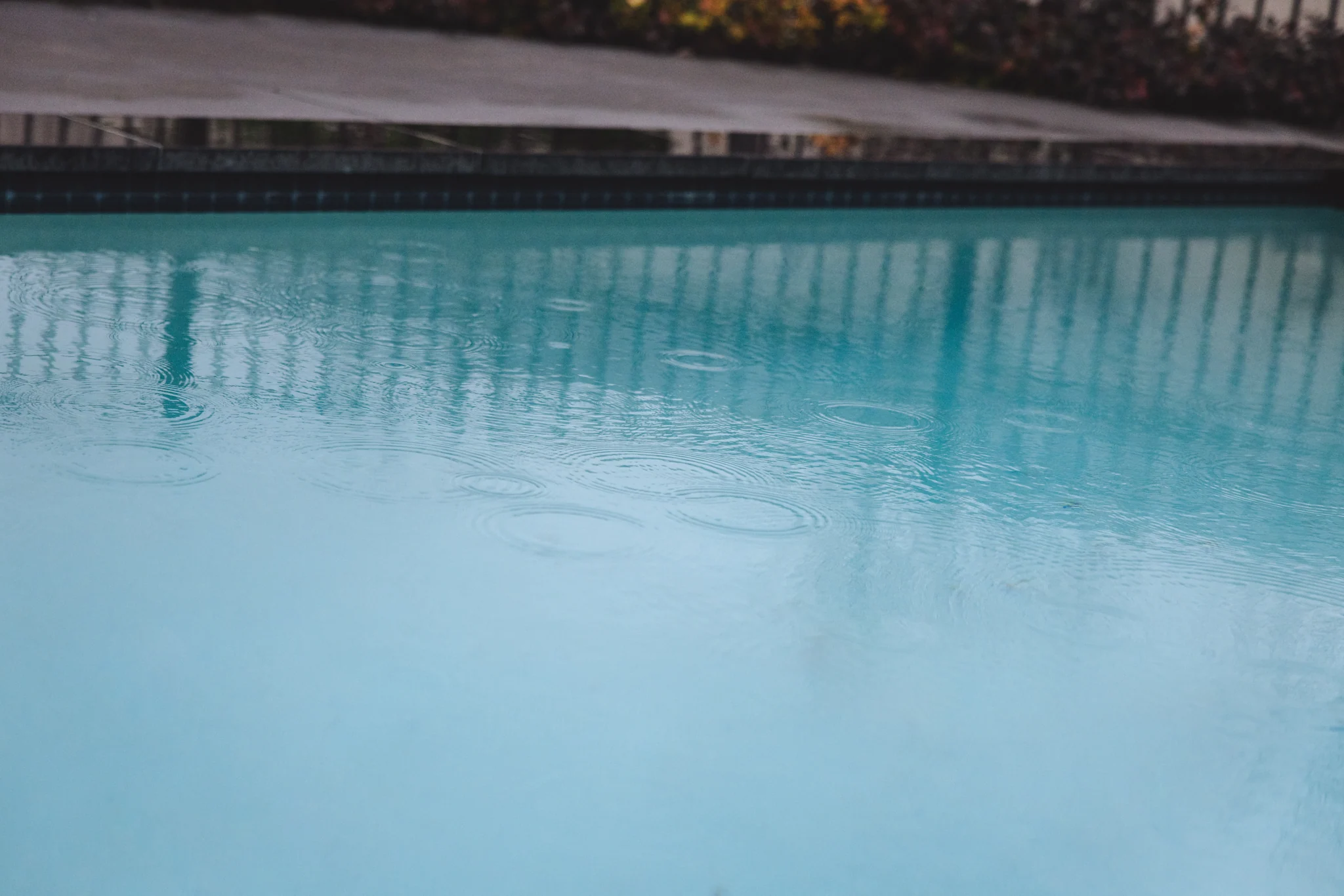
Image courtesy of Jasmin Chew via Pexels

Common Signs Your Pool May Have a Leak

While evaporation is normal, leaks often leave clues.

You may have a pool leak if you notice:

  1. 1. You're Adding Water More Often Than Normal

    If you're refilling your pool every few days or weekly just to maintain the waterline, that's worth paying attention to.

  2. 2. Your Water Bill Has Increased

    A hidden pool leak can waste a surprising amount of water over time, especially if the leak is continuous.

  3. 3. Cracks or Sinking Around the Pool Area

    Water escaping underground can soften surrounding soil, which may lead to movement in paving, decking, or landscaping.

  4. 4. Air in the Pump System

    If your pump is pulling air or struggling to maintain prime, it may indicate a suction-side leak.

  5. 5. Constantly Unbalanced Pool Chemistry

    When water escapes, so do chemicals. If your chemical usage suddenly increases, it could point to water loss beyond normal evaporation.

  6. 6. Wet Spots Around the Pool

    Soft ground, unexplained damp areas, or unusually green patches of grass near the pool can all be signs of an underground leak.

Image courtesy of Pixabay via Pexels

The Bucket Test: A Simple Way to Find Out

One of the easiest ways to tell whether your pool is leaking or simply evaporating is by performing a bucket test.

You don't need special equipment—just:

  • A bucket
  • Water
  • A marker or tape
  • 24 hours of patience
  1. Step 1: Fill the Pool to Its Normal Level

    Make sure your pool is at its usual operating level.

  2. Step 2: Fill a Bucket with Pool Water

    Place the bucket on a pool step so the water inside the bucket is exposed to the same temperature and environment as the pool.

  3. Step 3: Mark Both Water Levels

    Mark the water level inside the bucket. Then mark the pool's waterline outside the bucket.

  4. Step 4: Wait 24 Hours

    Leave everything undisturbed for 24 hours.

Final Thoughts

Not every falling waterline means disaster. Sometimes it's just evaporation doing what evaporation does.

But when water loss becomes consistent, unexplained, or expensive, it's worth taking seriously.

A simple bucket test can give you clarity. And if the signs point to a leak, accurate detection can save you from unnecessary repairs, property damage, and months of guesswork.

Because with pool leaks, finding the problem early is almost always cheaper than fixing the damage later.